


The closer you are to your business, the harder it can be to see it
It’s often much easier to spot opportunities in somebody else’s business than it is in your own. Sometimes you need someone who can get close enough to understand it properly, while remaining far enough outside to see what might need sorting out.
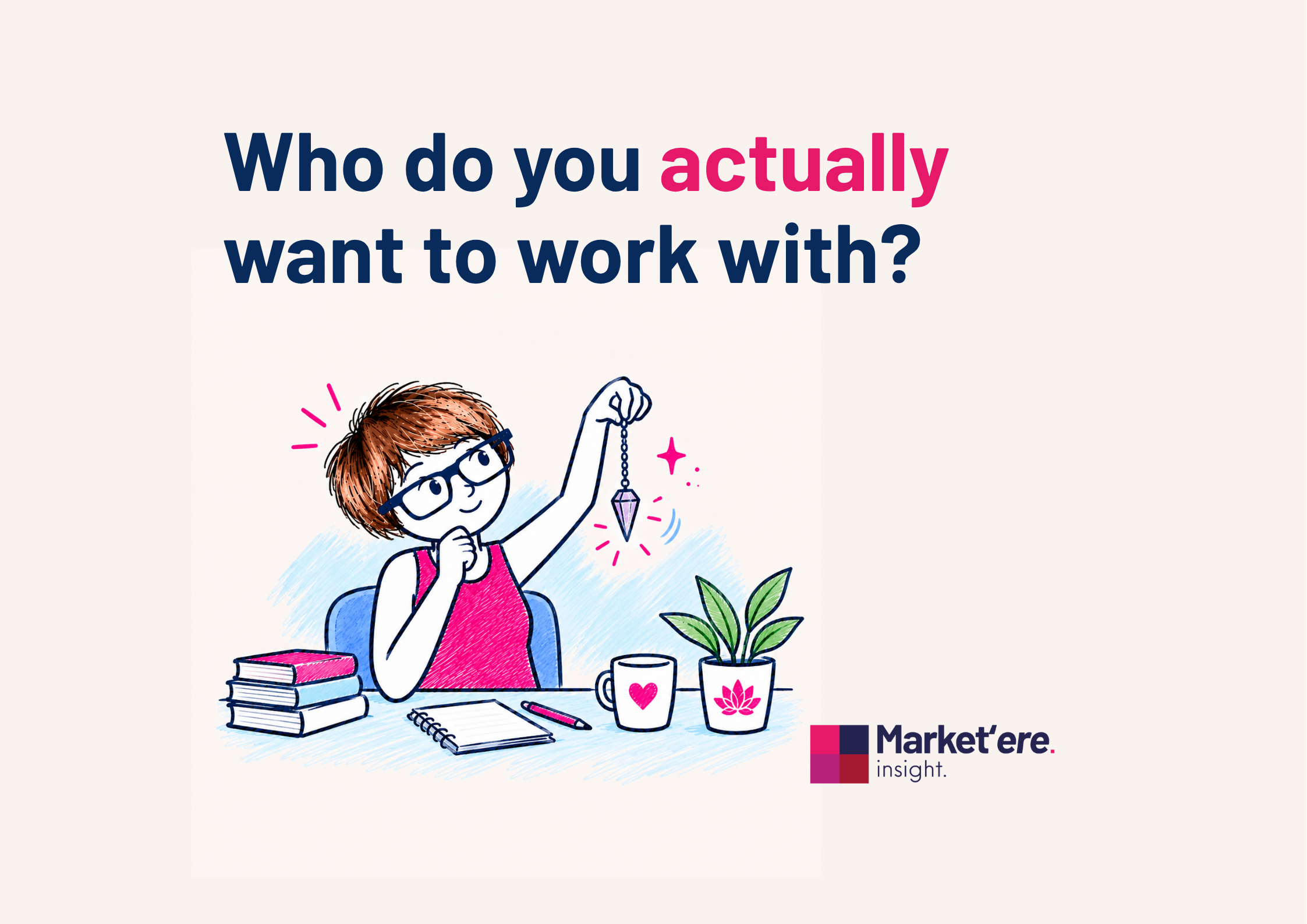
Apparently, I need to manifest my ideal client
When Helen Tudor suggests something, it usually works. So when I stumbled across her book, and then her podcast, both talking about spirituality, I sat up and listened. Before long, I was thinking about my ideal client in a completely different way.

The candidate who didn't apply might be your best result
What if fewer applications actually meant better recruitment? When candidates understand the reality of a role and decide it isn’t for them, that can be a successful outcome. But our advertising metrics don’t always see it that way.
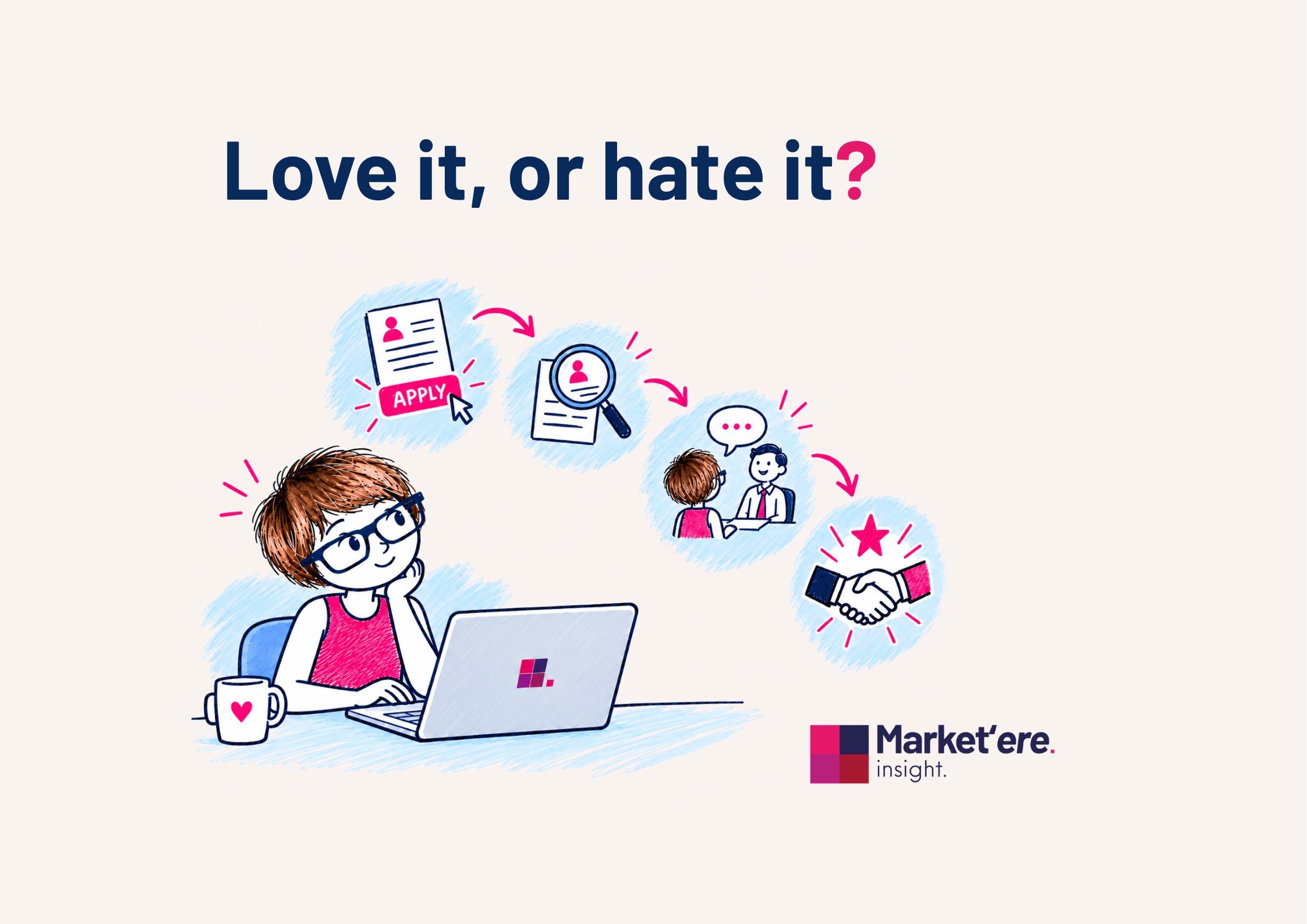
What happened after the Apply?
If advertising platforms can see who progressed, who was interviewed and who was hired, we can start asking much better questions about what recruitment success actually looks like.

I Googled a man who used to be impossible to miss
My old boss had a personal brand before personal brands were a thing. But almost none of it exists online. It got me thinking about social media, reputation and why showing up matters.

Sometimes it starts with a cat
A stray cat, a small animal rescue and a low-cost neutering scheme. Sometimes using what you already know to help someone else can make more of a difference than you expect.
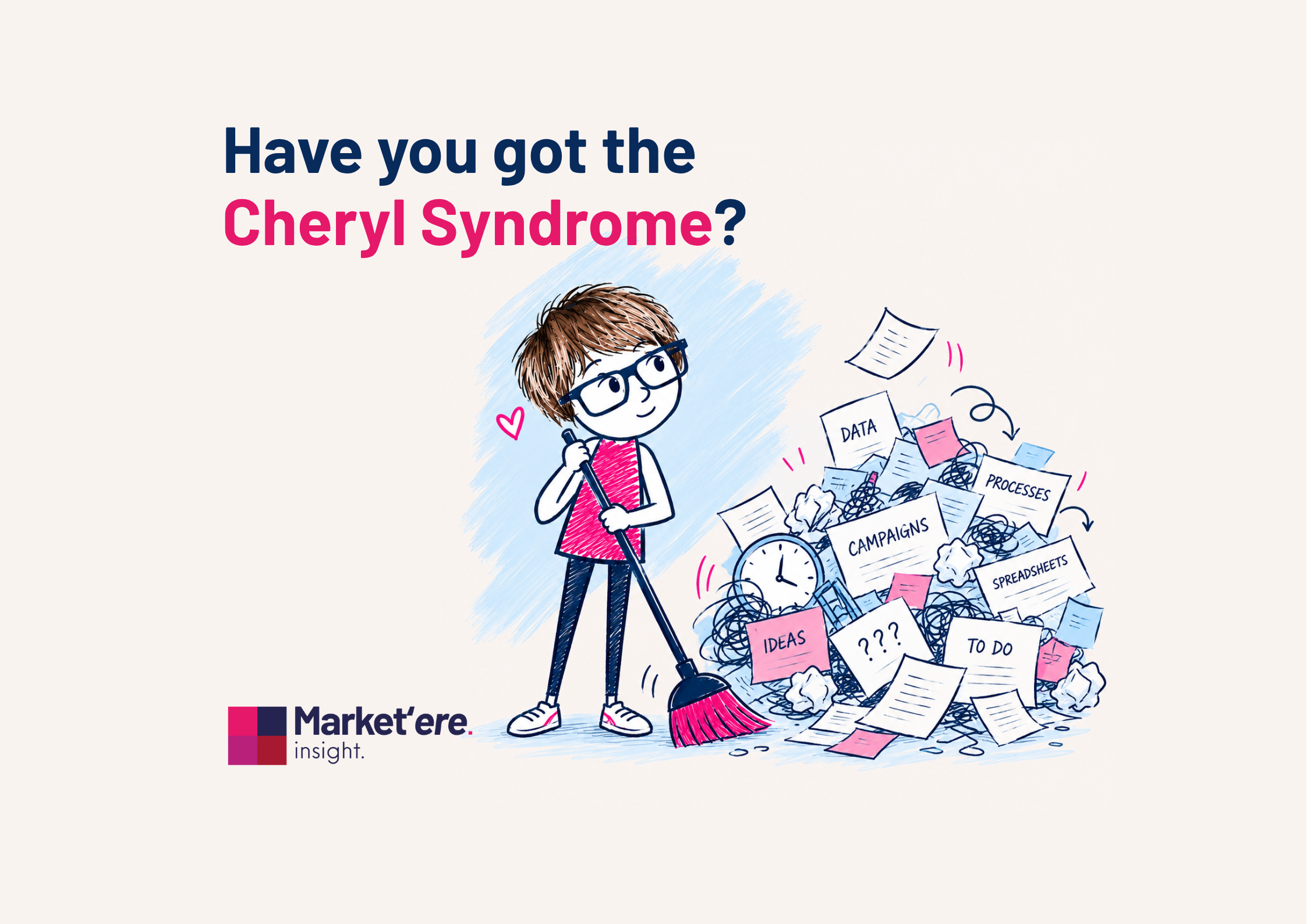
Have you got the Cheryl Syndrome?
Just because something has always been done a certain way doesn’t mean it’s still the best way to do it. Meet the Cheryl Syndrome - and the question that’s stuck with me throughout my career: why are we doing it like this?

Worth Knowing #1 - September 2026
A round-up of the recruitment media changes, market shifts and useful things I think are genuinely worth knowing - from Guardian Jobs and Indeed Premium to employer branding and better recruitment data.
When did 50 become a recruitment category?
easyJet’s push to recruit more over-50s got me thinking: when did experience start looking old? And how much of age bias begins before a candidate even applies?